
Why are there only 12 Jyotirlingas?
If you feel drawn to Lord Shiva, this is a secret you must know, so here’s the truth…
The idea of Linga comes from Sanatan Dharma’s core belief that the Brahman, the Absolute Reality, is formless & limitless.
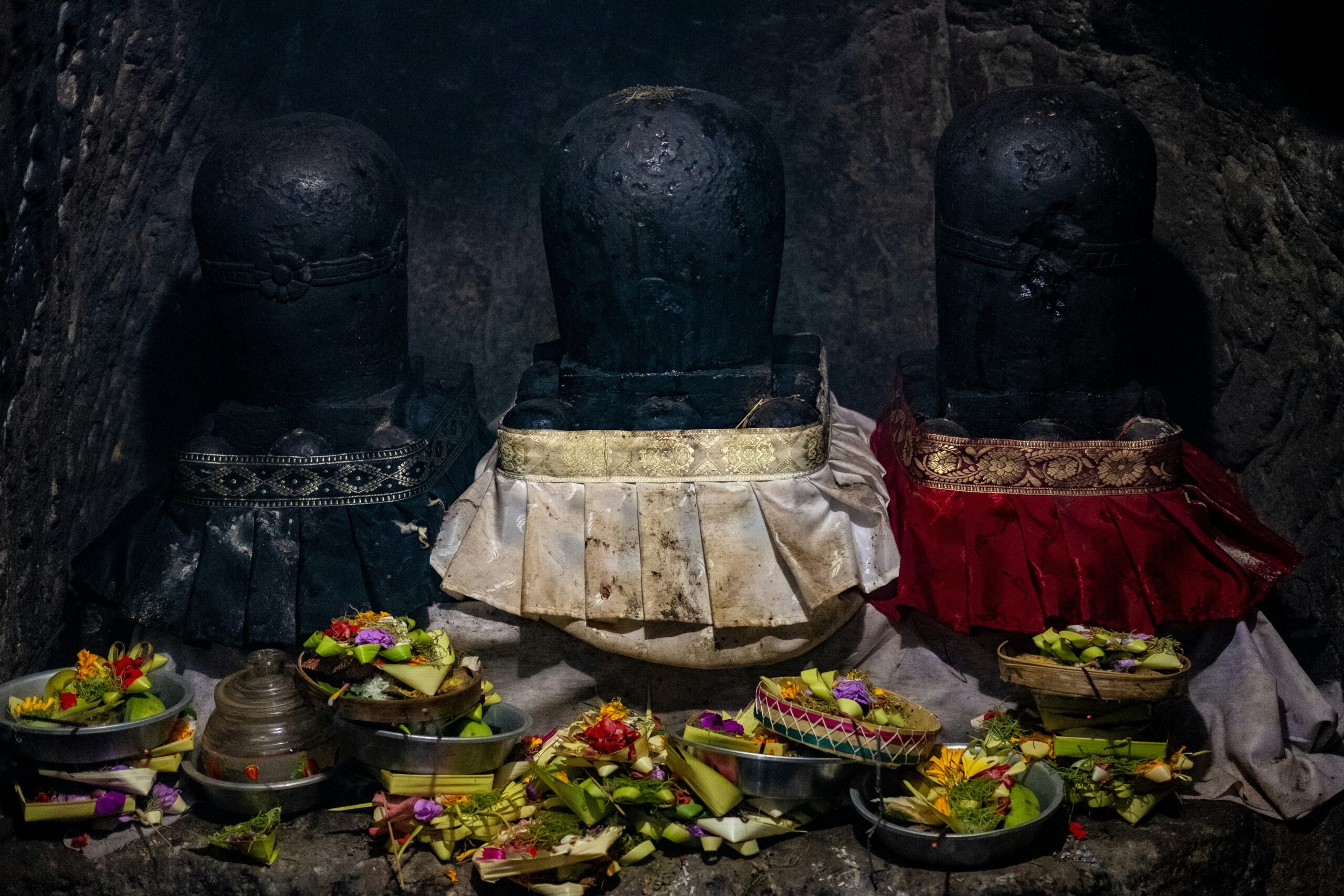
To help us visualise this, Shiva takes the form of the infinite Linga, which in Sanskrit means a “Mark,” “Origin” or “Representation.” We even have a Puranic katha of Shiva manifesting this form to settle Brahmadev & Vishnu’s debate on who’s greater.
To humble them, he becomes an infinite pillar, Linga, of jyoti or bright cosmic light, challenging them to find the ends. Both fail & bow in respect to Mahadev. This Linga also depicts how the entire cosmos is created through the union of Purusha, which is God’s pure static consciousness, and Prakriti or Shakti, His Creative Energy.
Shiva appears as many such Lingas & other forms on our Earth to bless devotees. The Shiva Purana actually mentions 64 Shiva-centric energy centers but the Kotirudra Samhita section goes into detail praising the 12 most powerful ones.
Combine that with Shri Adishankaracharya’s stotram composed on the same topic, and that’s how we got the Dvadasha Yatra – a pilgrimage circuit of 12 locations that brought together devotees across the country.
An easy way to remember their names is: M2 K2 BOTS VaRaNG.
1) Mallikarjuna (Srisailam, Andhra Pradesh)
2) Mahakaleshwar (Ujjain, Madhya Pradesh)
3) Kashi Vishwanath (Varanasi, Uttar Pradesh)
4) Kedarnath (Himalayas, Uttarakhand)
5) Bhimashankar (Pune, Maharashtra)
6) Omkareshwar (Khandwa, Madhya Pradesh)
7) Trimbakeshwar (Nashik, Maharashtra)
8) Somnath (Saurashtra, Gujarat)
9) Vaidyanath (Deoghar, Jharkhand or Parli, Maharashtra)
10) Rameshwaram (Tamil Nadu)
11) Nageshwar (Dwarka District, Gujarat)
12) Ghrishneshwar (Ellora, Maharashtra)
Each Jyotirlinga has its own importance, story & speciality – The only south-facing Mahakaleshwar is about conquering death, Kedar is about Tapasya or penance, Vaidya is about healing, and Kashi is about moksha or liberation.
And if you’re wondering which one to visit first, each Jyotirlinga is also linked to grahas & moon signs, so people usually go for their match first.
12 as a number also makes sense as its aligned with the 12 months/masas of the year. Jyotirlingas aren’t random spots – they’re sacred geography & geometry, each not only helping us understand a power or aspect of Shiva, but also binding many communities together, feeding the economies of their regions, and uniting the country in bhakti.
So share this post & keep chanting “Om Namah Shivay!”